
説明
60年代からブラジルのポップ/ロックを牽引してきた夫婦デュオが、ファンクやサイケ、地域音楽を融合させた異色の名盤。
Eduardo AraújoとSilvinhaによる『Sou Filho Dêsse Chão』は、1976年に制作された作品。ブラジル音楽の中でも独自の位置を占める1枚で、地域リズムとファンク、ロック、ソウル、サイケデリアが交差する濃密な内容となっている。Floating PointsのようなDJにも支持され、さらにMadlibが“Opanigê”を楽曲“São Paulo”でサンプリングしたことで、後年にわたって評価を高めた。
Eduardoは60年代にJovem Guardaシーンで“O Bom”のヒットを持ち、のちにTim Maiaのプロデュースによる“A Onda É Boogaloo”でソウル寄りのサウンドへ展開。一方Silvinhaも同じくJovem Guarda出身で、OdeonやRCAから多くの作品を残してきた実力派シンガー。この2人が活動の中で培ってきたポップ感覚とブラック・ミュージック志向が、本作でひとつに結実している。
制作には、DominguinhosやOs Mutantes初期作品に参加したDirceu Medeiros、さらにBanda Black RioやSom Nossoのメンバーらが参加。演奏面でもブラジル屈指のミュージシャンが揃い、音の厚みを支えている。
内容は、Bahiaへの旅で受けた影響を反映し、カポエイラやForró、candombléといった北部の伝統文化と、TropicaliaやMPB、Black Rioといった都市的サウンドが自然に融合。アフロ・ブラジリアンのリズムと当時のポップ/ロック感覚が一体となった独特のグルーヴが広がる。
Tim Maiaを思わせるファンクにロックの質感が重なる“O Tempo Que Esse Tempo Tem”、アコーディオンが印象的なタイトル曲、軽やかなリズムが続く“Manda Embora A Tristeza”、そしてサイケデリックな展開とヴォーカルの掛け合いが際立つ“Capoeira”など、多彩なトラックを収録。中でも“Opanigê”は浮遊感のあるスペーシーなサウンドで強い個性を放つ。
リリース当時は大きな商業的成功には至らなかったが、その後評価を高め、ブラジル音楽の中でも特異な魅力を持つ作品として定着した内容。
A1. Sou Filho Desse Chão
A2. Círculo Vicioso
A3. Girassol
A4. Capoeira
A5. O Tempo Que Esse Tempo Tem
B1. Manda Embora A Tristeza
B2. Misturando Rock Com Baião
B3. Ter O Que Eu Tenho Sem Você
B4. Capoeira
B5. Opanigê
Brazil is a treasure trove of inspirational music from the past, present, and future. Here we head back to 1976 for a one-of-a-kind kaleidoscopic journey, melding Brazilian regional rhythms with funk, rock, soul, and psychedelia by the married couple Eduardo Araújo and Silvinha. A cult classic and beloved record for some of the scene’s biggest DJs including Floating Points, it was further immortalised when Madlib sampled ‘Opanigê’ for his track ‘São Paulo’.
Singers Eduardo Araújo and Silvinha Araújo had successful careers in Brazil beginning in the 1960s. Eduardo broke through with the rock-infused Jovem Guarda hit ‘O Bom’. Stepping into more soulful territory, Eduardo released ‘A Onda É Boogaloo’ in 1969, produced by a young Tim Maia and followed it up with a number of other notable releases. Also part of the Jovem Guarda movement, Silvinha recorded a string of excellent albums and numerous 7” compactos for Odeon and RCA.
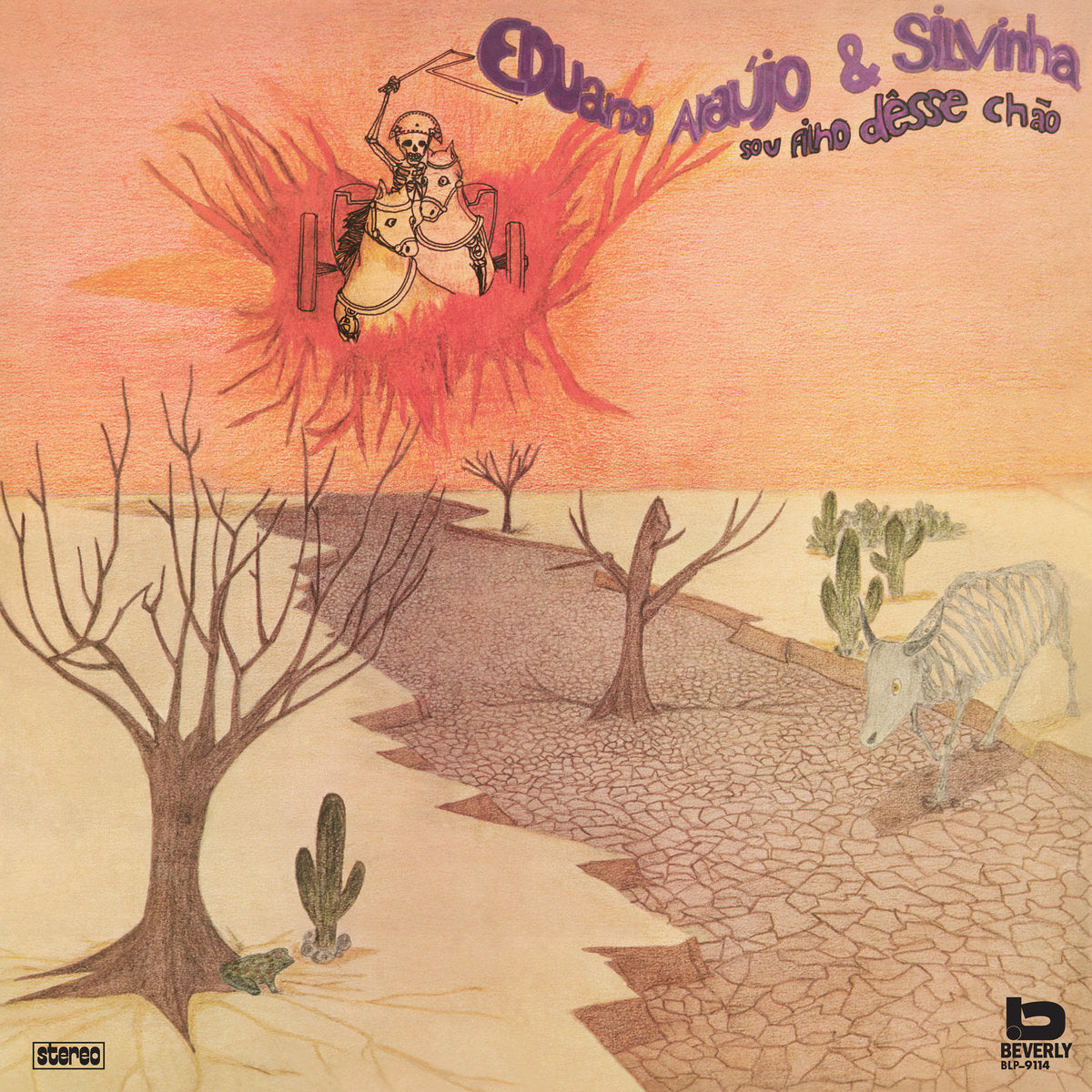
In 1976, the duo set forth the landmark underground album Sou Filho Dêsse Chão, complete with its eye-catching psychedelic cover art by Gustavo Matula and Jan Matula. The album featured a heavyweight line up of musicians, including accordionist supreme Dominguinhos, the drummer Dirceu Medeiros, who played on the first Os Mutantes album, and members of the esteemed bands Banda Black Rio and Som Nosso.
Sou Filho Dêsse Chão was inspired by the pair's travels to Salvador, Bahia. Eduardo was influenced by the Brazilian culture of the region and wanted to incorporate and capture the sounds of capoeira, Forró, and candomblé into the album. Here we have the traditional African-Brazilian culture of Northern Brazil fusing with the contemporary commercial music of Rio and São Paulo’s Tropicalia, MPB, psych-rock, and Black Rio movements. Uniting the cultures, Eduardo and Silvinha managed to combine these genres seamlessly.
It's an album full of highlights, with the Tim Maia-esque funk of ‘O Tempo Que Esse Tempo Tem’ laced with its rock tones, sitting side by side with the accordion-driven ‘Sou Filho Desse Chão’ and rolling groove of ‘Manda Embora A Tristeza’. Elsewhere the elegant trippy psych-funk of ‘Capoeira’ sees Eduardo and Silvinha effortlessly trading vocal duties. The record would also reach a new audience outside of Brazil when one of the standout tracks, the highly original spacey ‘Opanigê’, was sampled by Madlib for his track ‘São Paulo’.
Even though on release it was not a commercial success, Sou Filho Dêsse Chão has since found its place as an iconic and treasured LP.