


説明
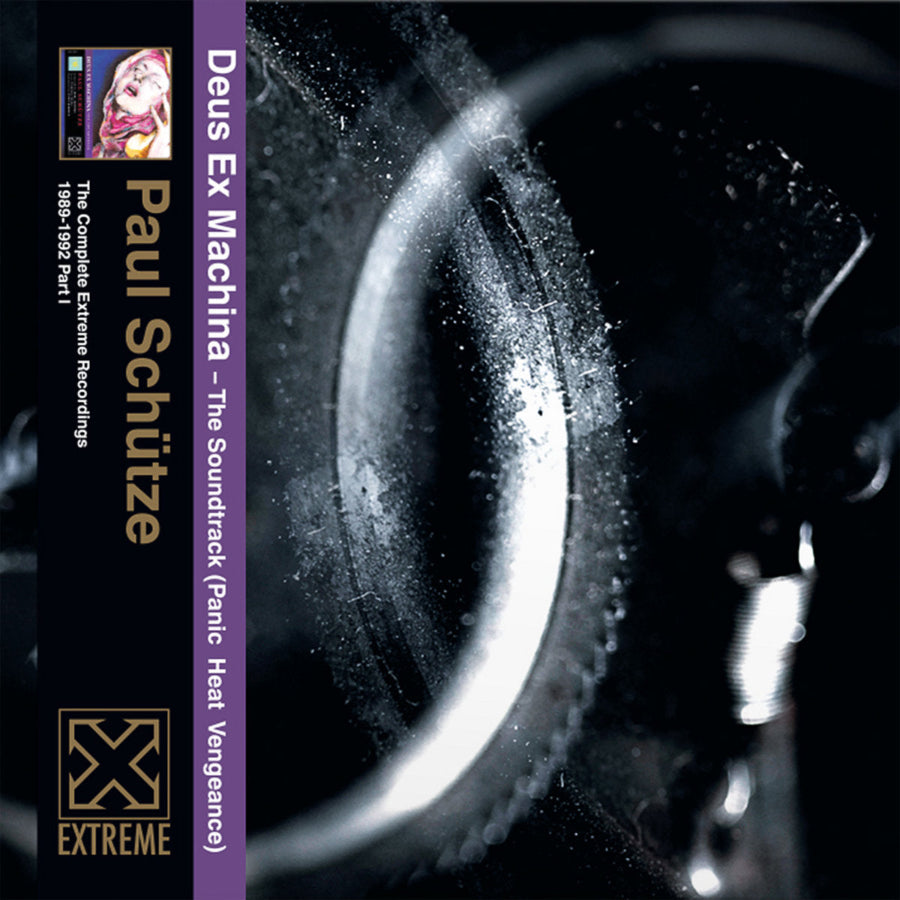
オーストラリア出身のアーティスト、Paul Schützeが1989年にCDで発表したデビュー作『Deus Ex Machina』が、Kontakt Audioから2LP盤として改めて取り上げられる。メルボルン生まれ、現在はロンドンを拠点とするSchützeは、映画音楽から美術音、サウンド・インスタレーションに至るまで多分野で活躍する芸術家であり、音を素材にした壮大な語りを構築する手腕に長けている。
本作は異質なテクノロジーとの関係性をテーマに据えたインスタレーション作品のために構想された一曲59分の環境音楽。四つの基調となるレイヤーを重ねながらリフレインし、展示空間を語りの場に変える音響空間装置そのものであり、フィルム・スコアとも呼べる緻密な構成が印象的だ。
リリース時にも評価されたこのアルバムは、「Fourth World Music」という概念をサイバーな文脈にまで押し広げる先進性を備え、まるで『Blade Runner』の別のサウンドトラックのような世界観を描き出すという評もある。
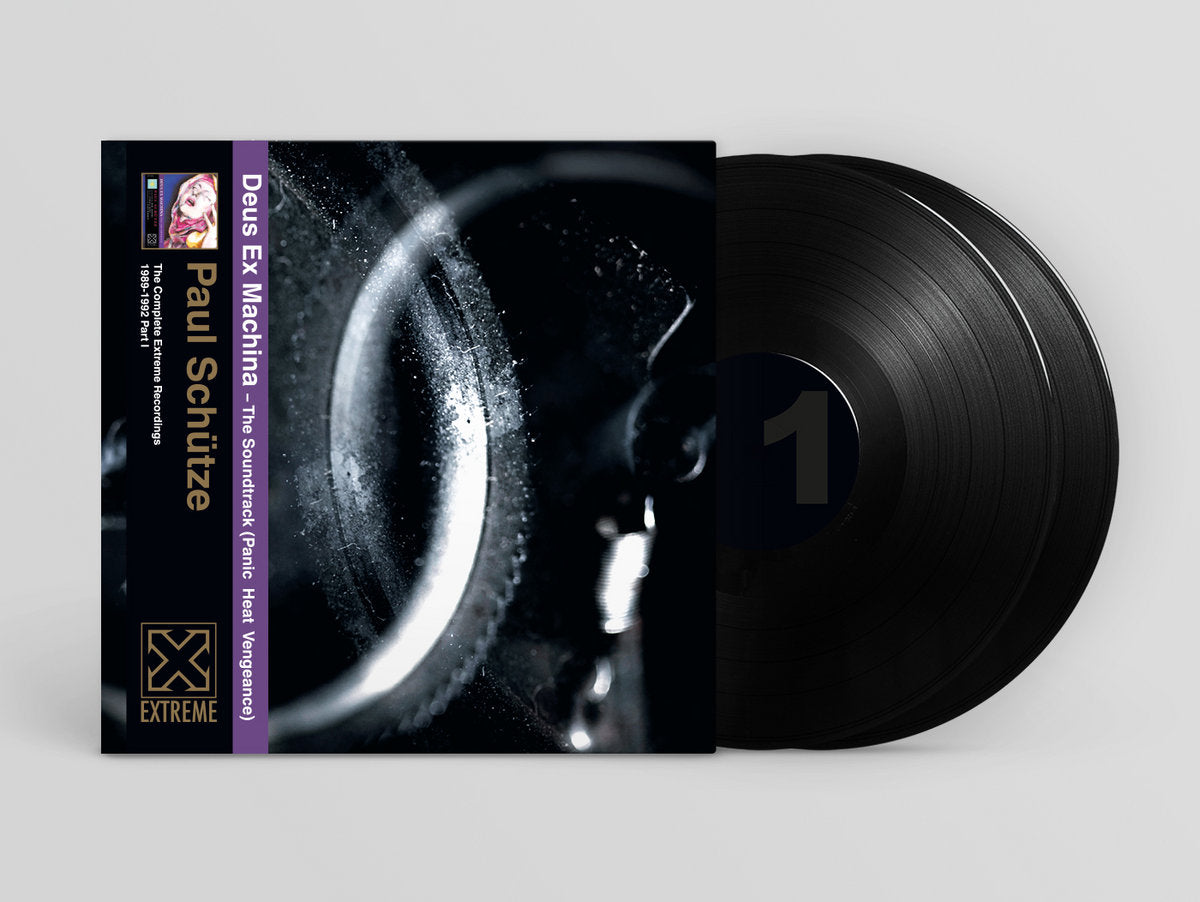
Kontakt Audioからの2LP盤は、オリジナル作品を精緻にマスタリングし直し、アートブックレットや帯付きの美しい装丁で再構成されている。
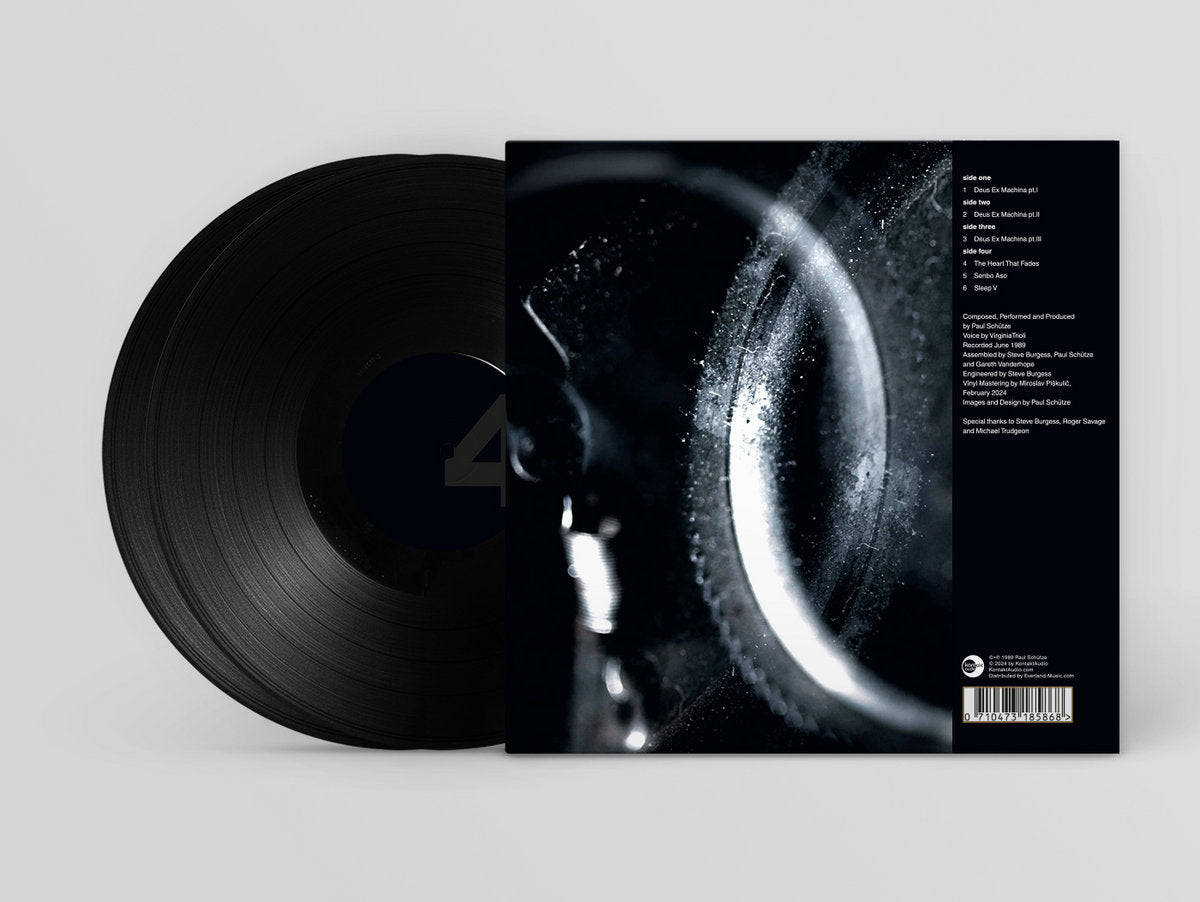
A1. Deus Ex Machina
B1. The Heart That Fades
C1. Seribo Aso
D1. Sleep V
This 59 minute piece was conceived as part of a total environment for the exhibition Deus Ex Machina.
The project as a whole seeks to define and articulate the emotional, cultural and aesthetic manifestations of man’s uneasy relationship with technology. The music takes the form of a film score complete with stylized dialogue and actions.
During the 59 minutes four basic layers repeat in various configurations.The effect is to provide a template of narrative in which the pieces exhibited may become protagonists, situated in hypothetical scenarios which illustrate the contentions of Deus Ex Machina and the transmission of information.
Review:“Paul Schütze’s debut album from 1989 sets his stall out from the start; with a cyber update on Jon Hassell’s notion of ‘Fourth World Music”. Schütze’s music always sounds like it could be an alternative soundtrack to ‘Blade Runner’ (be aware fellow purists, I did state “alternative”), and this album is probably the perfect candidate if in some other dimension the Vangelis OST was no longer deemed satisfactory (such a dimension surely cannot exist). The listener feels like they’re walking through the rain soaked, neon-lit streets of a future LA with Deckard.” – Jay Harper