

Description
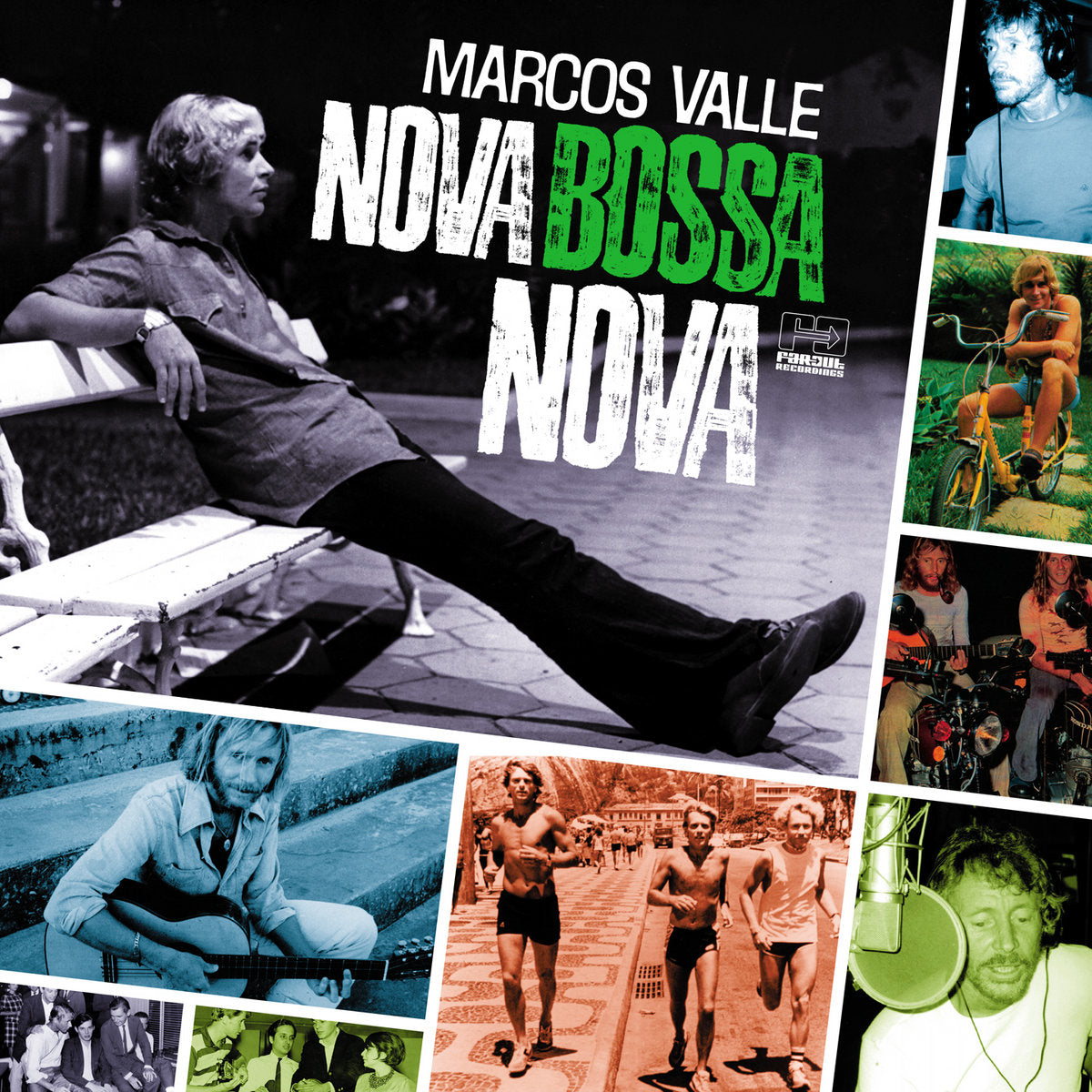
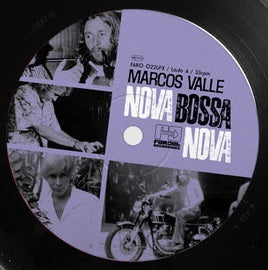
“Nova Bossa Nova” is Marcos Valle’s comeback album, created in response to the 1990s demand for acid jazz and Brazilian music. In response to the popularity of Brazilian music in London’s club scene and a lack of new sounds, Joe Davis proposed that Marcos record a new album, combining cutting-edge technology with analog recording. Recording began in 1996, and the album was released in 1998. Released at the peak of the Brazilian music movement, the album influenced artists such as Bebel Gilberto and Sabrina Malheiros. Surveying Valle’s career, the title track has evolved into a modern, funky sound. The album also includes a dancefloor-ready rework of “Freio Aerodynamico,” as well as “Bar Ingles” and “Nordeste.” Even 20 years later, it remains a landmark work.
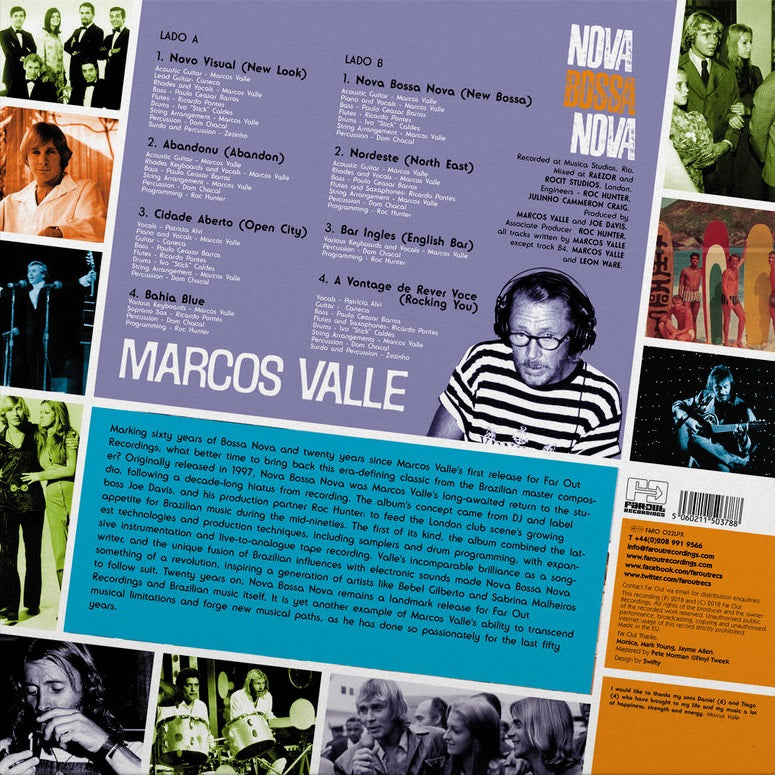
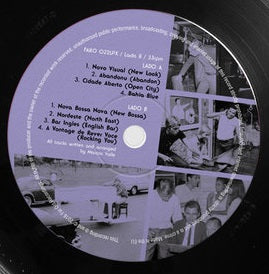
A1. Novo Visual (New Look)
A2. Abandonu (Abandon)
A3. Cidade Aberto (Open City)
A4. Bahia Blue
B1. Nova Bossa Nova (New Bossa)
B2. Nordeste (North East)
B3. Bar Ingles (English Bar)
B4. A Vontage de Rever Voce (Rocking You)
Nova Bossa Nova brought Marcos bouncing back into the 90s, slotting nicely in place alongside the acid jazz movement as well as a voracious new demand for Brazilian music on dancefloors from London to Tokyo. It was witnessing the London club scene’s growing appetite for Brazilian music, as well as a lack of new sounds coming out of Brazil at the time, that a young Joe Davis put in a proposal to record a new album with one of his musical idols. Joe wanted to facilitate an album which would combine the latest technologies and production techniques, with live to analogue tape recording: a Marcos Valle album tailor-made for London’s clubs. Always open to modern influences and possibilities, Marcos agreed to the project, and Joe and his production partner Roc Hunter flew to Rio in ‘96. The record wasn’t released until ’98, as the original ½ inch tapes were stolen from Far Out’s London studio, meaning parts of the album had to be re-recorded.
Nova Bossa Nova was unveiled at the peak of the Brazilian movement, the record would also prove to be something of a revolution, inspiring a new generation of artists like Bebel Gilberto, Sabrina Malheiros, Da Lata and Bossacucanova, who continued to fuse Brazilian influences with modern electronic sounds.
The album takes a panoramic view of Valle’s career, which was so fundamental in defining the standard of bossa back in the Sixties and continues to do so to this day. Nova Bossa Nova, the album’s title track is an update on Marcos’s trademark style, developing a more modern, funkier sound. Other gems include the dance-floor ready re-work of his 1970 hit ‘Freio Aerodynamico’, and the smooth instrumentals ‘Bar Ingles’, a jazz fusion looper, and the sun-soaked samba ‘Nordeste’.
Twenty years since the original release, the album remains a landmark for Far Out Recordings and Brazilian music in general. It is yet another example of Marcos Valle’s ability to transcend musical limitations and explore new musical